
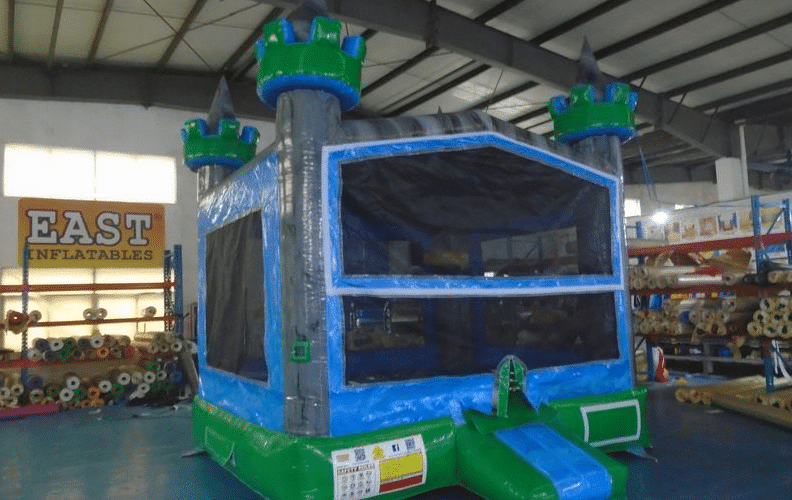
Bounce houses are designed to handle active play, repeated jumping, and constant movement, but their durability can vary greatly from one product to another. The lifespan of a bounce house depends not only on how it is made, but also on how it is used, maintained, and stored. Understanding these factors helps buyers choose an inflatable that delivers long-term value and reliable performance.
Material Thickness and Vinyl Quality
The most important factor affecting durability is the quality of the vinyl. Most high-quality bounce houses are made from commercial-grade PVC vinyl, which is resistant to tearing, stretching, and abrasion. Thicker vinyl provides better protection in high-impact areas such as the jumping surface, entry steps, and corners. Lower-quality vinyl may feel soft at first but often weakens quickly under frequent use.
Stitching, Seams, and Reinforcement
Durability also depends heavily on how the bounce house is stitched together. Reinforced seams, double or quadruple stitching, and added material layers at stress points help prevent air leaks and structural failure. Anchor points, in particular, should be reinforced to handle pulling forces during use. Poor stitching is one of the most common reasons bounce houses wear out early.
Structural Design and Airflow
A well-designed bounce house maintains balanced air pressure throughout the structure. Proper airflow ensures the inflatable stays firm and stable without over-stressing certain sections. Features such as reinforced bounce floors, wide bases, and evenly placed air chambers help distribute weight and movement more evenly, reducing long-term strain.
Frequency and Type of Use
How often a bounce house is used has a direct impact on its durability. Occasional residential use creates minimal wear, while daily or weekly use in rental operations puts much greater stress on the inflatable. Commercial-grade bounce houses are specifically designed for frequent setup, transport, and heavy traffic, making them far more durable for professional use.
User Behavior and Load Limits
Even a well-built bounce house can wear out quickly if it is misused. Exceeding weight limits, allowing too many users at once, or mixing different age groups can increase stress on the material and seams. Following recommended occupancy guidelines helps preserve both safety and durability.
Environmental Factors
Exposure to outdoor elements affects durability over time. Sunlight can weaken vinyl through UV exposure, while moisture, dirt, and heat can accelerate wear if the bounce house is not properly cleaned and dried. Indoor use or shaded outdoor setups typically extend the lifespan of an inflatable.
Maintenance and Preventive Care
Regular maintenance significantly improves durability. Cleaning the bounce house after use, drying it completely, inspecting seams, and repairing small issues early can prevent major damage. Proper folding and storage in a cool, dry area also protect the material from unnecessary stress and degradation.
Residential vs. Commercial Durability
Residential bounce houses are designed for light, occasional use and can last several years with good care. Commercial bounce houses use heavier materials, reinforced construction, and stronger stitching, allowing them to withstand repeated use over many seasons. While commercial units cost more upfront, they offer better durability and long-term value for frequent users.
Final Thoughts
Bounce houses can be highly durable when built with quality materials, strong construction, and thoughtful design. Their lifespan depends on usage frequency, user behavior, environmental exposure, and maintenance practices. By choosing the right grade of bounce house and caring for it properly, you can ensure safe, reliable performance and many years of enjoyment.